Coverto Display Font for Handmade Brands & Printables
If you’ve ever spent hours tweaking a label, reworking an invitation layout, or second-guessing whether your mug design feels “just right,” you know how much weight the right font carries. Coverto isn’t just another display font—it’s the clean, confident voice your handmade brand has been waiting for. As someone who designs printable planners, cuts vinyl for boutique tags, and prints seasonal greeting cards, I reached for Coverto the moment I saw its balance of modern simplicity and quiet charm.
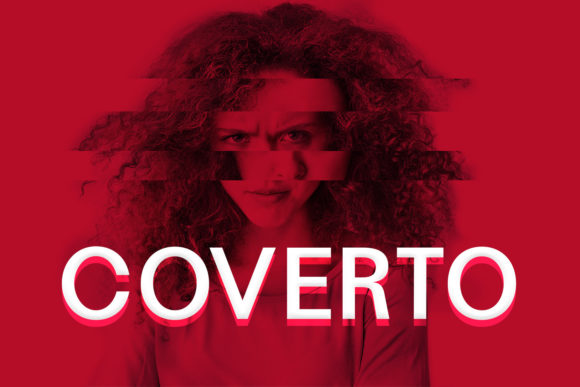
Coverto is a contemporary display font with crisp letterforms, generous spacing, and subtle geometric warmth. It’s not cold or robotic—there’s a gentle rhythm to its curves and angles that makes it feel intentional, not generic. The uppercase letters have presence without shouting; the lowercase flows with clarity and consistency. It reads beautifully at 24pt on a candle label and commands attention at 120pt on a farmhouse-style welcome sign. That versatility is rare—and invaluable when you’re juggling ten different product formats in one shop.
I use Coverto most often for short, high-impact text: product names on apothecary jars, boutique tags for handmade soaps, wedding welcome boards, and SVG-ready wall art quotes. Its clean lines cut flawlessly on my Cricut Maker and Silhouette Cameo—no jagged edges, no unexpected joins. For small stickers (think 1.5-inch round labels), I keep text to three words max—like “Hand Poured” or “Small Batch”—and Coverto stays legible even at 14pt print size. On thicker cardstock or kraft paper, it adds instant polish without needing extra embellishment.
For invitations and digital printables, Coverto shines as a headline or title font. Pair it with a relaxed handwritten script for names (“Emma & James”) or a friendly sans serif for body text—like Montserrat Light or Poppins Regular. That contrast gives elegance *and* approachability. I recently used it for a set of printable baby shower planner pages: Coverto for section headers (“Menu Ideas”, “Timeline Checklist”), paired with a soft rounded sans for instructions. Customers told me the whole set felt “thoughtful and cohesive”—exactly what good typography should do.
It’s also become my go-to for seasonal packaging. Last holiday season, I designed gift box wraps for a local herbal tea line—Coverto spelled out “Spiced Chai” and “Calm Lavender” across matte-finish boxes. Because the font avoids extreme thin strokes or delicate terminals, it held up beautifully in spot UV printing and foil stamping. No fading, no breakage in fine details. Same goes for t-shirt transfers: I tested it on cotton tees with heat-press vinyl, and the letterforms stayed sharp after five washes.
Readability matters most where function meets craft—so here’s what I’ve learned from real use: Coverto works best for titles, names, slogans, and short phrases. Avoid using it for full paragraphs or ingredient lists on product labels—its display nature means lower x-height and tighter default tracking. But for anything meant to be seen first and remembered, it delivers. Bonus: it pairs naturally with both serif and sans serif companions. Try Coverto + Playfair Display for vintage-inspired wedding stationery, or Coverto + Quicksand for playful kids’ party printables. If your project calls for movement, layer it with a subtle script—but keep the script secondary, never competing.
The file package includes OTF and TTF formats—both work seamlessly in Canva, Adobe Illustrator, Cricut Design Space, and Silhouette Studio. I appreciate that it supports standard Latin characters and basic punctuation, which covers 99% of my needs for English-language printables, labels, and social media graphics. While it doesn’t include swashes or stylistic alternates, that’s actually a strength for crafters: fewer decisions, faster production, consistent results across every product variant.
Licensing is straightforward—and essential to get right. Coverto is a commercial font, meaning you’re fully cleared to use it in physical products you sell (mugs, tote bags, stickers), digital downloads (PDF planners, Canva templates), SVG files for cutting machines, and client branding projects. No hidden restrictions. Just make sure you’re using a legitimate copy—not a free knockoff—so your designs stay legally protected and technically reliable. A genuine license also ensures access to updates and support if you ever need help troubleshooting file compatibility.
In my shop, Coverto quietly elevates everything it touches: the chalkboard-style sign for my friend’s coffee cart, the minimalist thank-you card tucked into every order, the bold header on my best-selling “Self-Care Sunday” printable bundle. It doesn’t distract. It doesn’t date quickly. It simply makes handmade work look considered, professional, and unmistakably yours.
Whether you’re labeling small-batch skincare, designing a wedding suite, or building a cohesive Etsy brand identity, Coverto fits like a well-worn tool—familiar, dependable, and always ready to make your next project look its best.